
Agentic AI and Multi-Agent Systems Opportunities and Risks for Freelance Developers
The era of simply prompting a Large Language Model is quietly coming to an end.
In 2026, enterprises are moving beyond basic chat interfaces. They are now deploying AI systems that can autonomously handle complex, multi-step workflows — from research and analysis to decision support and execution. This new paradigm is known as Agentic AI, and it is rapidly becoming one of the most significant shifts in how organizations use artificial intelligence.
What was once considered advanced research is now appearing in real production environments. Companies are actively looking for professionals who can design, implement, and secure these autonomous systems. However, building reliable agentic solutions is substantially more complex than developing traditional AI applications.
Many promising projects still fail due to poor architecture, lack of proper guardrails, or overlooked security implications. For freelance AI developers, this creates both a major opportunity and a critical challenge: those who master these systems will stand out, while those who treat them like regular LLM applications risk delivering unreliable and potentially expensive solutions.
In this article, we explore what Agentic AI and multi-agent systems truly involve, the practical opportunities they create for freelancers, the most common failure points, and the essential security and architectural practices needed to succeed in enterprise projects.
1. What Exactly Are Agentic AI Systems?
Unlike conventional AI that responds to a single prompt and stops, an AI Agent is designed with three core capabilities:
- Perception: gathering information from tools, APIs, databases, or the web
- Reasoning & Planning: breaking complex goals into steps
- Action: autonomously using tools, writing code, sending emails, or triggering workflows
When multiple agents collaborate each with specialized roles (researcher, analyst, critic, executor, etc.) we call it a Multi-Agent System. Think of it as building a small, coordinated AI team inside your client’s organization.
2. Real-World Use Cases Enterprises Are Paying For
- Autonomous research agents that continuously scan papers, patents, and news
- Cybersecurity agents that monitor logs, detect anomalies, and suggest remediation
- Multi-step customer support agents handling complex cases across systems
- Sales qualification and lead enrichment agents
- DevOps agents capable of code review, testing, and creating pull requests
Freelancers skilled in designing these systems are currently commanding significantly higher project rates than those offering only traditional AI development.
3. Architectural Patterns That Actually Work
Successful agentic implementations usually follow structured patterns such as:
- Hierarchical Agents (Manager + specialized worker agents)
- Peer-to-Peer Collaboration with shared memory and communication protocols
- Framework-based approaches using LangGraph, CrewAI, or AutoGen
Each pattern has different strengths depending on the use case, complexity, and required level of control.
4. The Hidden Risks Freelancers Must Address
This is where most prototypes fail and where professional freelancers differentiate themselves:
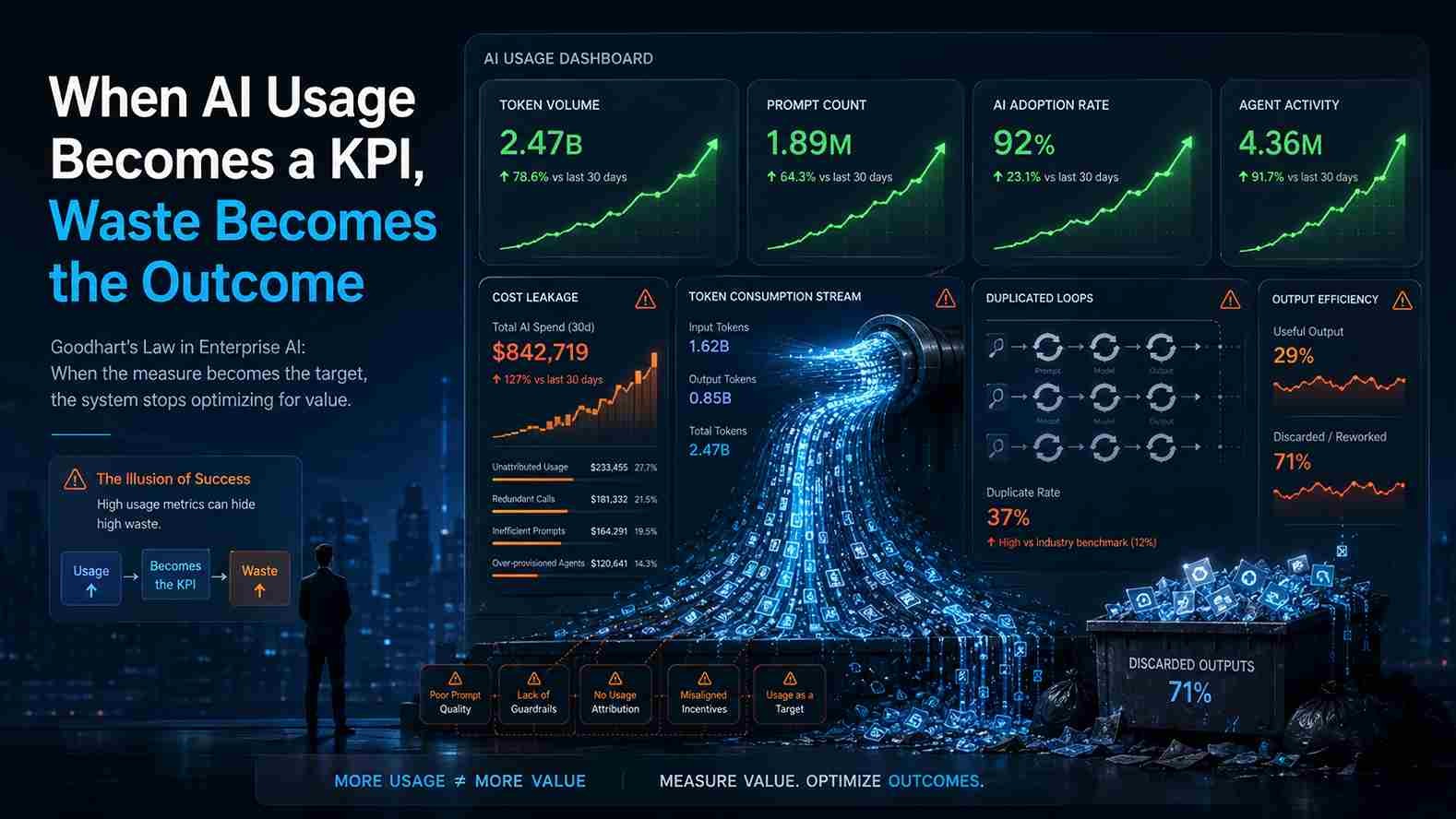
- Infinite loops and uncontrolled token consumption
- Prompt injection and tool misuse vulnerabilities
- Hallucinated or incorrect actions with real consequences
- Lack of observability and debugging difficulty
- Unexpected cost overruns from excessive tool calls
A deep understanding of these risks is what separates high-quality enterprise deliveries from experimental prototypes.
5. Security Considerations for Production Agents
Because agents can take real-world actions, they introduce a new and significant attack surface. Key areas to master include:
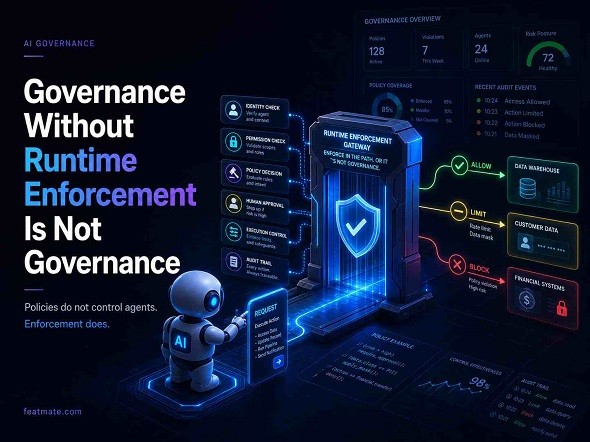
- Sandboxing and strict tool permissions
- Least-privilege principles for agent actions
- Robust guardrails and output validation
- Monitoring for anomalous agent behavior
- Secure context and memory management
Addressing these concerns early is essential for winning and maintaining enterprise trust.
6. How to Position Yourself as an Expert
- Develop strong portfolio projects showcasing reliable multi-agent workflows
- Document your design decisions, failures, and lessons learned
- Offer “Agent Readiness Assessments” as a high-value entry service
- Combine agentic development with your existing expertise in MLOps, cybersecurity, or microservices
Conclusion
Agentic AI is not just another passing trend it represents the next evolution in how humans collaborate with artificial intelligence. Freelance developers who learn to design reliable, secure, and observable multi-agent systems will be well-positioned for high-value opportunities throughout 2026 and beyond.
The question is no longer whether enterprises will adopt these systems. The real question is who will build them correctly and responsibly.
Agentic AI is not just another passing trend it represents the next evolution in how humans collaborate with artificial intelligence. Freelance developers who learn to design reliable, secure, and observable multi-agent systems will be well-positioned for high-value opportunities throughout 2026 and beyond.
The question is no longer whether enterprises will adopt these systems. The real question is who will build them correctly and responsibly.
Tags
Categories (22)
- All (27)
- Network Administration (4)
- Virtualization (2)
- DevOps (6)
- Backup (0)
- Web Hosting Control Panel (0)
- Cloud Management (0)
- Server Management (1)
- Database (1)
- Cybersecurity (1)
- Programming & Tech (0)
- Artificial Intelligence (AI) (9)
- Engineering Productivity (1)
- Platform Engineering (2)
- AI Strategy & Consulting (0)
- LLM Integration & Application Development (0)
- AI Agents & Workflow Automation (0)
- Machine Learning Engineering (0)
- Model Training & Fine-Tuning (0)
- MLOps & AI Infrastructure (0)
- Data Engineering for AI (0)
- AI Security, Safety & Compliance (0)
- AI Delivery & Fractional Leadership (0)


Join as a freelancer or client
Join as a Freelancer
Join as a Client